
💡 Powering India's Future with Sodium-Ion Batteries
The first-ever Sodium-Ion line in India: Cost-Effective, Safer, and Highly Sustainable Energy Storage.
Siri Technofabs is proud to introduce a monumental shift in energy storage: our new Sodium-Ion Batteries India line. Utilizing the most abundant element on Earth, our batteries offer a cost-effective, safer, and highly sustainable alternative to conventional battery technologies, supporting India's push towards self-reliance and clean energy.
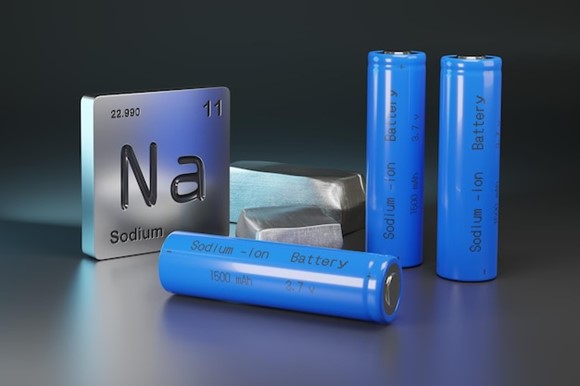
The STF Sodium-Ion Advantage
Our Sodium-Ion batteries are engineered to meet the demands of modern energy systems, offering distinct benefits that make them ideal for a wide range of applications.
Cost-Effectiveness & Abundance
Sodium is over a thousand times more abundant than lithium. This translates to lower raw material costs and a more stable, secure supply chain, reducing dependence on imports.
Enhanced Safety
Inherently more stable and less prone to thermal runaway compared to certain Li-ion chemistries. Greater thermal stability is ideal for India's high-temperature environments.
Wider Temperature Performance
Maintains reliable performance across an extremely wide operating temperature range, from sub-zero conditions up to high heat, ensuring robustness for diverse geographical applications.
Sustainability & Recycling
Manufacturing involves less toxic materials and the batteries are easier to recycle, resulting in a lower overall environmental impact and aligning with India's green initiatives.
Deep Discharge Tolerance
They can tolerate deep discharges without significant impact on their lifespan, leading to a more reliable and longer service life, particularly in applications like solar/wind grid storage and backup power systems.
Comparison Electrical Parameters and Key Features
Understanding the electrical parameters is crucial for application matching. Here is how Siri Technofabs' Sodium-Ion Batteries India stack up against the established competition.
| Feature | Sodium-Ion (Na-ion) | Lead-Acid | Lithium-Ion (Li-ion LFP) |
|---|---|---|---|
| Nominal Cell Voltage | 3.0−3.2 V (Lower than Li-ion) | 2.0 V (Per cell) | 3.2−3.7 V (Higher than Na-ion) |
| Gravimetric Energy Density | 75−160 Wh/kg (Medium) | 30−50 Wh/kg (Lowest) | 120−200+ Wh/kg (Highest) |
| Volumetric Energy Density | Moderate | Low | High |
| Peak Power Output | High (Good for fast charge/discharge) | Medium (Limited by internal resistance) | High |
| Internal Resistance | Low (Enables high efficiency) | High (Wastes energy as heat) | Low |
| Cost / kWh | Lowest (Targeted) | Low (But poor cycle life) | High |
| Cycle Life (Cycles) | 3500-4500 | 300-1000 | 3000-3500 |
| Safety/Thermal Stability | Highest (Low risk of thermal runaway) | Moderate (Gas/Acid risk) | Moderate (Higher risk than Na-ion) |
Key Electrical Parameter Insights
The comparison highlights the strategic positioning of STF Sodium-Ion technology for the Indian market
⚡ Voltage Safety vs. Power
While the nominal cell voltage of 3.0−3.2 V is slightly lower than Li-ion (3.2−3.7 V), this difference is easily managed by Battery Management Systems (BMS), and the lower voltage contributes directly to the cell's enhanced safety profile.
⚖️ Energy Density Stationary Strength
Sodium-Ion offers a significant advantage in density over Lead-Acid, approaching the lower end of Li-ion (LFP). This is sufficient for stationary storage (grid and backup) where weight is secondary to cost and safety.
🚀 Power & Efficiency Fast Response
The low internal resistance of our Na-ion cells enables high charge/discharge rates, making them exceptionally well-suited for applications requiring rapid power delivery or rapid charging, such as frequency regulation in the grid.
Strategic Conclusion for India
Siri Technofabs is paving the way for India's clean energy revolution by fulfilling two crucial market needs:
Pillar 1. Replacing Lead-Acid 🔋
Sodium-Ion batteries deliver superior electrical performance—higher energy and power density, and vastly better cycle life (3500+ cycles)—than traditional Lead-Acid, making them the clear choice for reliability and longevity in backup power and industrial applications.
Pillar 2. Complementing Lithium-Ion 🤝
Na-ion offers excellent performance where the absolute highest energy density isn't required. Its blend of highest safety, lowest cost potential, and good power positions it as the strategic and sustainable choice for large-scale energy storage (Grid) and cost-sensitive E-mobility platforms.
Integrate the Future. Request a Quote.
Get in touch to integrate our cutting-edge Sodium-Ion Batteries India solutions into your next project and unlock a new era of sustainable energy storage.
Request A Tailored Solution