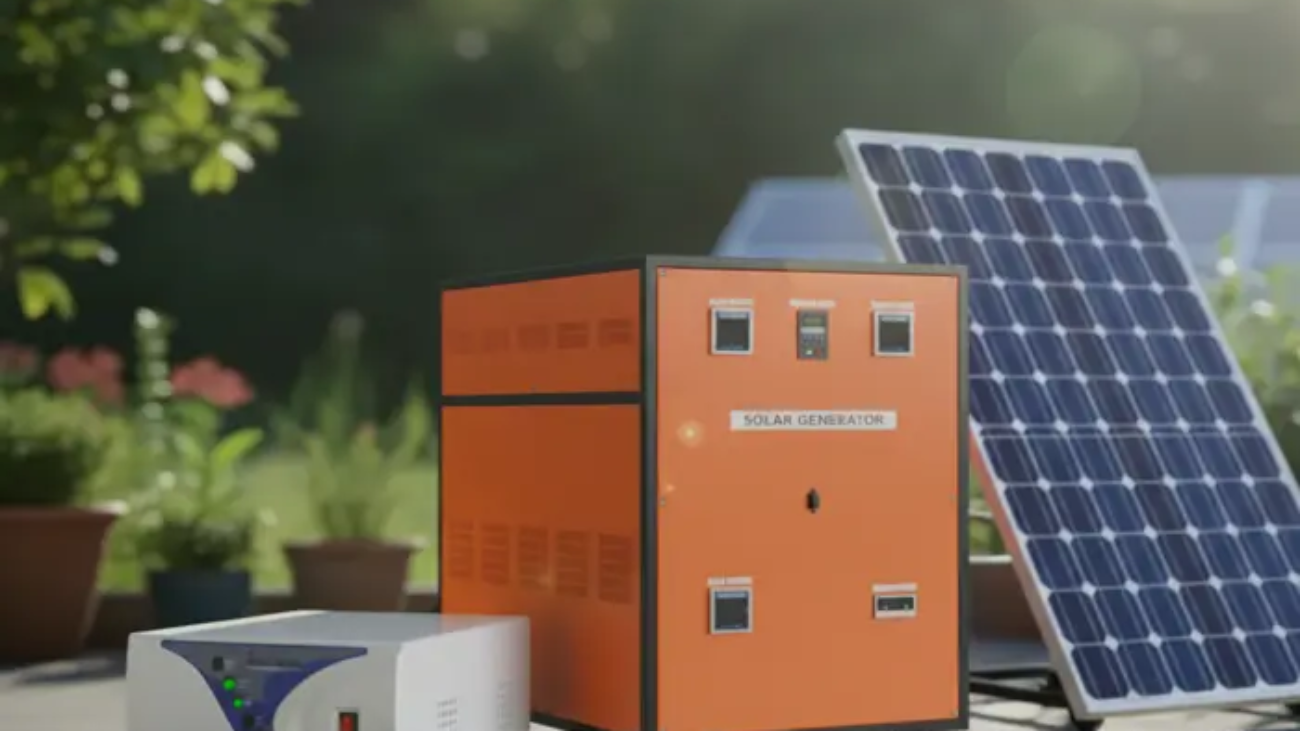
home ups

Home UPS: The Smart Power Backup Every Home Needs — Energy Siritech

Home UPS: The Smart Power Backup Every Home Needs — Energy Siritech

Power cuts and voltage fluctuations are still common across many parts of India — and they can cause major inconveniences at home. From interrupted work calls to damaged electronics, unstable power can affect your daily routine. That’s why every modern household needs a reliable Home UPS system.

At Energy Siritech, we specialize in Home UPS solutions designed to provide uninterrupted power, protect your appliances, and keep your home running smoothly even during outages. Our systems are durable, efficient, and compatible with solar energy setups, making them the smart choice for today’s energy-conscious homeowners.

What Is a Home UPS?

A Home UPS (Uninterruptible Power Supply) is a backup power device that automatically supplies electricity when the main power fails. It keeps your lights, fans, routers, TVs, and other essential appliances running without interruption.

Unlike traditional inverters, a Home UPS ensures instant switchover time — meaning your devices never shut down, even for a second, during power cuts. It also provides clean, stable electricity, protecting sensitive electronics from voltage spikes or fluctuations.

🔋 How a Home UPS Works

A Home UPS connects between your main power supply and household wiring. Here’s a simple breakdown:

  • Charging Mode: When power is available, the UPS charges its internal batteries.
  • Backup Mode: When there’s a power failure, the UPS instantly switches to battery mode.
  • Inverter Function: The stored DC energy is converted to AC to power your home appliances.

At Energy Siritech, our Home UPS systems use advanced inverters and long-life batteries — including lithium-ion, sodium-ion, and lead-acid — to ensure maximum performance and reliability.

🏡 Benefits of Having a Home UPS

Choosing a Home UPS system from Energy Siritech gives you peace of mind and consistent comfort at home. Here are some key benefits:

  • Uninterrupted Power: Never experience dark rooms or interrupted work again. Your Home UPS activates instantly when power fails.
  • Appliance Protection: Our UPS systems deliver pure sine wave output, which prevents damage to sensitive electronics like TVs, computers, and Wi-Fi routers.
  • Solar Compatibility: Pair your Home UPS with solar panels for a fully renewable, eco-friendly power backup solution. Learn more about our solar power solutions.
  • Energy Efficiency: Energy Siritech’s UPS systems are optimized for lower power loss and better battery utilization — helping you save on electricity costs.
  • Easy Installation & Maintenance: Compact design, smart monitoring features, and robust build make our UPS units ideal for homes of any size.

⚙️ Types of Home UPS Systems We Offer

Energy Siritech offers a complete range of Home UPS models tailored for different energy needs:

  • Single-Battery UPS Systems: Ideal for small apartments and light power needs. A great example is our Home UPS 640W 12V.
  • Double-Battery UPS Systems: Perfect for medium to large homes requiring longer backup.
  • Solar-Integrated UPS Systems: Works with solar panels for sustainable, grid-free power. This is a key part of our residential solar power generation packages.
  • Smart UPS Systems: With digital displays, smart charging, and energy monitoring features.

All our Home UPS systems are IS-certified and tested for high performance and durability under Indian power conditions.

🔋 The Role of Battery Technology in Home UPS Systems

The efficiency of a UPS depends greatly on its battery. That’s why Energy Siritech uses high-quality battery technologies that ensure longevity and power stability.

Our Battery Range Includes:

  • Lithium-ion Batteries: Compact, long-lasting, and maintenance-free.
  • Sodium-ion Batteries: Eco-friendly, high-temperature resistant, and ideal for Indian climates.
  • Lead-Acid Batteries: Reliable and cost-effective for standard home use.

Each battery is engineered to work perfectly with our UPS units, giving you consistent backup power whenever you need it.

🌍 Why Choose Energy Siritech for Home UPS?

With years of experience in power backup and renewable energy, Energy Siritech has become a trusted name for reliable UPS and battery systems. We combine innovative technology with strong customer support to deliver solutions that truly last.

Here’s why customers prefer Energy Siritech:

  • Expertise in Home UPS design, supply, and installation
  • Customized power solutions for all household needs
  • Solar-compatible systems for energy independence
  • Durable batteries with extended life and performance
  • Prompt after-sales support and maintenance

Our mission is to provide every home with uninterrupted, efficient, and sustainable power — because your comfort and productivity shouldn’t depend on the grid.

💡 Tips for Choosing the Right Home UPS

Before buying a Home UPS, consider the following:

  • Estimate your load requirements – list appliances you want to run during outages.
  • Choose the right battery type based on usage frequency and duration.
  • Opt for pure sine wave output for better appliance safety.
  • Consider solar compatibility if you plan to shift to renewable energy.

Need expert help? The Energy Siritech team can assess your home’s needs and recommend the perfect UPS configuration.

🔆 Power Your Home the Smart Way with Energy Siritech

Stop worrying about power cuts and start enjoying uninterrupted electricity with Energy Siritech’s advanced Home UPS systems. From compact residential units to smart solar-integrated setups, we’ve got you covered.

Our products are designed for reliability, efficiency, and long-term savings, giving your home the energy stability it deserves.
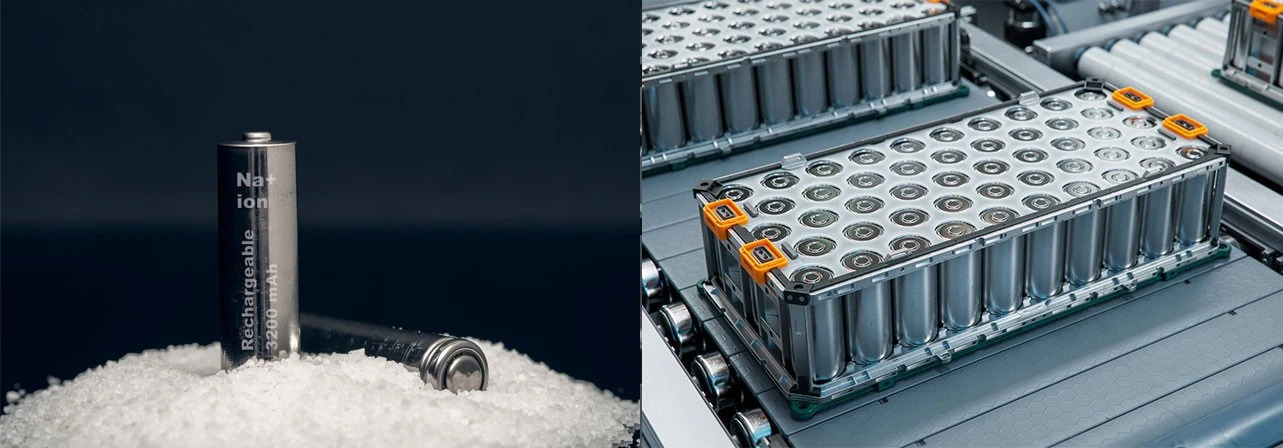
sodium ion battery

🔋 Sodium-Ion Battery: How Does it Work?

The rising demand for affordable, reliable energy storage.

While lithium-ion batteries have dominated the market, growing concerns about cost, supply chains, and environmental impact are pushing industries to explore alternatives. The top alternative is the sodium-ion battery, offering a promising solution built from abundant materials.

Sodium-Ion vs Lithium-Ion battery comparison

How Do They Work & Key Advantages

A sodium-ion battery stores and releases energy by moving sodium ions between two electrodes via an electrolyte. They function very similarly to lithium batteries but use cheaper, more abundant materials.

Cost-Effectiveness

Sodium is the 6th most abundant element on Earth. This exceptionally high availability helps lower material costs, making Na-ion batteries a more affordable option for manufacturers and consumers.

Environmentally Friendly

Lithium extraction often damages ecosystems and drains water resources. Sodium extraction has a much smaller environmental footprint, reducing the impact of building large battery systems.

Cold Performance

Sodium-ion batteries demonstrate stable electrochemical performance at low temperatures. Electrolyte formulations are optimized to prevent freezing, ensuring consistent ion movement even in the cold.

Safer Energy Storage

The chemical structure and relatively lower energy density contribute to a reduced risk of thermal runaway. Their material stability enhances safety for residential and industrial use.

Sodium vs. Lithium: The Data

A direct comparison of the key specifications defining today's battery technologies:

Characteristic Sodium Batteries (Na-Ion) Lithium Batteries (Li-Ion)
Energy Density≈ 160 Wh/kg≈ 250 Wh/kg
Cyclability≈ 4000 Cycles≈ 2000 Cycles
Voltage≈ 3.7 V≈ 4.0 V
EfficiencyLowerHigher
SafetyHighMedium
Critical Raw Materials?NoYes
CostLess costly & less volatileMore expensive & volatile
SizeBulkyLight
Low Temp PerformanceGood performanceLower performance
FlammabilityNon-flammableFlammable

Potential & Challenges 📈

Sodium-ion technology benefits from economies of scale similar to lithium, as retrofitting existing plants requires only ~10% additional expenditure.

~4000
Cycles (Cyclability)
High
Safety Profile
10%
CapEx to retrofit Li-ion plant

Current Limitations

Despite the potential, significant hurdles remain before mass adoption:

Lower Energy Density: Stores less energy by weight/volume; requires bigger batteries.
Commercialization: Still in early stages; supply chain is not fully developed.
Scalability: Scaling production while maintaining charging speeds presents challenges.

Key Applications

Where will Sodium-Ion batteries make the biggest impact?

Renewable Energy Storage

In a world transitioning from fossil fuels, sodium-ion batteries make it possible to store wind and solar energy for homes and businesses, ensuring a balanced supply of green megawatts.

Grid & Telecom Support

Smart grids depend on stable power. Sodium-ion batteries offer stability to the power supply and provide critical power-on-demand for data and telecommunications infrastructure.

Mobility & Transport

While they are bulkier, sodium-ion technology is an increasingly real alternative for electric mobility and industrial transport, helping to reduce carbon emissions and maximize asset utilization.

EV

About the Author: Edison Vinson

Battery technology specialist and contributor at Siri Technofabs. Passionate about sustainable energy storage and the future of EV battery systems.

Finding the Right Chemistry for Your Project?

Whether you need the high density of Li-Ion or the cost-efficiency of emerging technologies, STF has the expertise.

CONSULT WITH OUR BATTERY EXPERTS

Sodium Ion Battery How does it work pros cons explained

Sodium-ion Battery: How Does it Work? Pros & Cons Explained

The rising demand for affordable, reliable energy storage is reshaping industries. Electric vehicles, renewable energy projects, and smart grids all depend heavily on batteries. While lithium-ion batteries have dominated the market, growing concerns about cost, supply chains, and environmental impact are pushing industries to explore alternatives. The top alternative to lithium-ion is the sodium-ion battery, which is built from abundant materials and offers a promising solution for future energy storage.

But how do these batteries work, and what are their pros and cons?

How Do Sodium-Ion Batteries Work?

Basically, a sodium-ion battery stores and releases energy by moving sodium ions between two electrodes during charging and discharging. Key components of a sodium battery include:

  • Cathode: This is the positive terminal of the battery. During charging, sodium ions leave the cathode and travel toward the anode.
  • Anode: The negative side that receives sodium ions during charging and releases them back to the cathode during discharge.
  • Electrolyte: A liquid or gel that allows sodium ions to move between electrodes while blocking electrons.
  • Separator: A barrier that prevents the anode and cathode from touching while still allowing ions to pass through.

Charging a Na-ion battery pushes sodium ions from the cathode to the anode using external energy. While you use this battery, the ions flow back to the cathode, producing an electric current.

Ion batteries
Differences between sodium-ion and lithium-ion batteries
Sodium
batteries
Lithium
batteries
Energy density
≈ 160
≈ 250
Cyclability
≈ 4000
≈ 2000
Voltage
≈ 3.7
≈ 4
Efficiency
Lower
Higher
Safety
High
Medium
Need for critical raw materials
No
Yes
Cost
Less costly and less volatile
More expensive and more volatile
Size
Bulky
Light
Low temperature performance
Good performance
Lower performance
Flammability
Non-flammable
Flammable

Advantages of Sodium-Ion Batteries

Sodium-ion battery technology comes with several advantages, such as:

$

Cost-effectiveness

Sodium is exceptionally abundant and widely available in the Earth’s crust and oceans, ranking as the sixth most abundant element. This abundance helps lower material costs.

🌱

Environmentally Friendly

Lithium extraction usually damages ecosystems. Sodium extraction has a smaller environmental footprint, reducing the impact associated with large battery systems.

❄️

Better Performance in Cold Temperatures

Sodium-ion batteries demonstrate stable electrochemical performance at low temperatures because their electrochemical reactions remain highly efficient.

🛡️

Safer Energy Storage

The chemical structure and relatively lower energy density contribute to a reduced risk of thermal runaway.

Current Limitations and Challenges

Despite its potential, sodium-ion technology still faces several challenges:

  • Lower Energy Density: Sodium-ion batteries store less energy by weight or volume compared to lithium batteries. This limits their appeal for mobile devices and electric vehicles where manufacturers prefer lightweight solutions.
  • Still in Early Stages: Commercial production is still limited, making sourcing difficult.
  • Limited Fast-charging: Currently cannot match rapid charging speeds without risking battery degradation.
  • Ongoing R&D: Improving cycle life and efficiency takes time and investment.

Learn More at The Battery Show Asia 2025

The Battery Show Asia 2025 is the place to be for all energy storage enthusiasts. Scheduled from July 15 to 17, 2025, at AsiaWorld-Expo in Hong Kong, this event brings together the brightest minds in the battery industry.

Conclusion

Sodium-ion batteries offer a promising path toward affordable, sustainable energy storage. While challenges remain, ongoing research and growing industry interest point to a strong future.

How Solar Batteries Work: Store Your Solar Power Effortlessly

Solar Battery: A Complete Guide to Benefits, Types & Selection

A solar battery is an energy storage system that stores surplus electricity generated by your solar panels for later use. As a solar rooftop owner, you may not use the solar energy at the exact time it is produced. That is the main reason solar battery systems exist—they allow you to use that stored energy on cloudy days or after the sun goes down, maximizing your solar energy investment.

Solar battery energy storage system storing power from rooftop solar panels

Modern solar battery systems enable homeowners to store excess solar energy for nighttime use

Energy consumption patterns vary by geography, climate, and lifestyle. For instance, peak power usage often occurs on summer evenings when solar generation is low. For working households, consumption peaks in the evening rather than the afternoon. A solar battery bridges this gap between production and consumption, ensuring you can access your renewable energy whenever needed.

What are the Benefits of Using a Solar Battery?

Why should you invest in a solar battery storage system? Here are the key advantages:

Solar battery benefits including energy independence and cost savings

Solar battery systems provide multiple benefits from energy independence to financial savings

💡
Maximize Solar Utilization

Get the most out of your solar power system. Wasting surplus energy contradicts the goal of using resources wisely. A solar battery ensures every kilowatt-hour generated gets used.

🏠
Energy Independence

With a large enough system and solar battery, you can run your home mostly on solar power, reducing reliance on the grid and protecting against power outages.

💰
Cost Savings

Using stored solar battery power can be cheaper per kWh than grid electricity, protecting you from rising electricity prices. Learn more about solar cost savings.

What are the Types of Solar Batteries?

There are four main types of solar battery technologies used to store solar energy. Let's deep dive into each solar battery type:

Different types of solar batteries including lithium-ion and lead-acid battery systems

Comparison of major solar battery types: lithium-ion, lead-acid, flow batteries, and nickel-cadmium

1. Lead-Acid Solar Battery

The oldest solar battery type. They come in Sealed (reduced gas release) and Flooded (like a car battery) varieties. Lead-acid batteries have a shorter lifespan and lower depth-of-discharge (DoD) but are the cheapest option. Experts recommend not discharging beyond 50%. Learn more about lead-acid battery systems.

2. Lithium-Ion Solar Battery

"The new kid on the block," the lithium-ion battery is popular for residential solar battery applications. Compared to lead-acid, lithium-ion batteries have a longer lifespan, require less maintenance, and are lighter. They can handle deep discharges of 80%+, but improper installation poses a thermal runaway risk. Explore our lithium-ion battery solutions.

3. Flow Batteries

A newer solar battery technology emerging in the scene. Flow batteries offer 100% depth of discharge and are non-toxic (water-based). However, they are currently more expensive, still in development, and occupy more space due to low storage density.

4. Nickel Cadmium (Ni-Cd) Solar Battery

Tried and tested solution popular in commercial solar battery projects for their ability to operate at extreme temperatures. However, they are considered old technology and are banned in many countries due to high toxicity.

Solar Battery Segmentation Based on Timeframe

  • Short-term Storage: Handles minutes of interruption (e.g., a passing cloud).
  • Long-term Storage: Provides supply over days or weeks (e.g., seasonal climate changes). See our guide on long-term energy storage solutions.

Things to Look Into When Choosing a Solar Battery

Choosing the right solar battery goes beyond just technical specs. Consider your personal needs:

Guide to choosing the right solar battery for your home energy storage needs

Key factors to consider when selecting a solar battery system for your home

  • Geography & Climate: Your local weather patterns affect solar battery performance.
  • Energy Production: The capacity of your solar rooftop system.
  • Consumption: How much energy you use and when (e.g., high evening usage).
  • Lifestyle: Your budget and priorities for solar battery investment.

Example: If you have a 5kW solar system, you will likely need a solar battery with 10-13kWh capacity. Use our solar battery sizing calculator to find the perfect match.

Technical Features of Solar Batteries

When comparing solar battery options, pay attention to these six critical factors:

  1. Battery Size (kWh): The total amount of energy stored in your solar battery. A 10kWh battery can last 10-12 hours if you consume ~1kW/hour.
  2. Power Rating (kW): The rate of electricity usage from your solar battery. Most batteries offer around 5kW continuous output, determining how many appliances can run at once.
  3. Round-trip Efficiency: The percentage of energy put into the solar battery that can be used later. Higher is better (typically ~80%).
  4. Depth of Discharge (DoD): The usable capacity of your solar battery. An 8kWh battery with 80% DoD gives you 6.4kWh of usable power.
  5. Battery Lifetime: Measured in years, throughput, or cycles. Solar batteries generally have high lifecycles and remain functional after thousands of cycles. Check our battery warranty guide.
  6. Safety: Ensure the solar battery meets all safety requirements and certifications for residential or commercial installation. Review our solar safety standards.
Technical specifications and features of solar battery storage systems

Understanding the technical specifications helps you choose the optimal solar battery for your needs

EV

About the Author: Edison Vinson

Battery technology specialist and contributor at Siri Technofabs. Passionate about sustainable energy storage and the future of EV battery systems. Edison has over 10 years of experience in solar battery technology and renewable energy solutions.

Looking for the Perfect Solar Battery?

Whether you need a residential setup or a commercial energy solution, STF has the expertise to help you choose and install the right solar battery system.

CONSULT WITH OUR SOLAR BATTERY EXPERTS

Offline UPS systems vs Online UPS systems

⚡ Offline UPS vs. Online: The Complete Guide

Understanding Offline, Line-Interactive, and Online Power Protection.

An Uninterruptible Power Supply (UPS) provides near-instantaneous protection from power interruptions. While Online and Line-interactive systems offer advanced features, the Offline UPS remains a critical entry-level solution for homes and small offices.

solar pumping solutions installation for agriculture

The Three Topologies Explained

Not all UPS systems are built the same. The internal design—or topology—dictates how the unit handles power anomalies.

Offline UPS

Also known as "standby," this is the most energy-efficient choice. The load is powered directly by mains power. The battery and inverter only engage when power fails, offering basic protection for homes and PCs.

Line-Interactive UPS

An intermediate solution ideal for servers. It features Automatic Voltage Regulation (AVR) to correct brownouts and overvoltages without switching to battery, extending battery life.

Online UPS

The ultimate protection. Using "double conversion," it continuously converts AC to DC and back to AC. There is zero transfer time, and the output is perfectly regulated regardless of input quality.

The Main Difference

Offline systems have a brief break (2-10ms) when switching to battery. Online systems have zero break. Line-interactive sits in the middle, offering voltage correction.

Head-to-Head Comparison

Compare the technical specifications to find the right fit for your equipment:

Feature Offline (Standby) Line-Interactive Online (Double Conversion)
Transfer Time2 - 10 ms (Short break)2 - 4 ms0 ms (Instant)
EfficiencyHigh (95-98%)High (90-96%)Low-Medium (80-90%)
Voltage RegulationNone / LowAutomatic (AVR)Precise (±2-3%)
Output WaveformSquare / Pseudo SineSine Wave (Usually)Pure Sine Wave
CostLow (Affordable)MediumHigh
Protection LevelBasic (Blackouts/Surges)Better (Sags/Swells)Highest (All anomalies)
Heat OutputLowLow-MediumHigh (Inverter always on)
Typical Power Range0 - 0.5 kVA0.5 - 5 kVA5 - 5000+ kVA

Offline UPS: Pros & Cons 📉

Why choose an Offline UPS? It typically comes down to efficiency and cost.

98%
Typical Efficiency
Low
Operating Temperature
$$
Most Affordable Option

Offline UPS Limitations

While cost-effective, Offline UPS systems have specific drawbacks compared to Online models:

Transfer Delay: The 2-10ms switch time can be risky for highly sensitive electronics.
Battery Wear: Uses battery frequently during brownouts, unlike Line-interactive units.
Waveform: Often outputs a square/pseudo sine wave, which may not suit all devices.

Applications: Which to Choose?

Matching the right topology to the right environment.

Home & Home Office (Offline)

Due to high energy efficiency and low cost, Offline UPS is the best value for personal computers, printers, scanners, and emergency lighting where minor power fluctuations are acceptable.

Servers & Small Business (Line-Interactive)

Ideal for departmental servers and businesses in areas with unstable voltage. The AVR feature handles voltage drops without draining the battery, ensuring reliability for networking gear.

Mission Critical & Medical (Online)

Online UPS is the default for data centers, banking, and medical ICUs. Because it isolates equipment from the mains, it protects against harmonic distortion, frequency variation, and noise.

EV

Edison Vinson

Power Systems Specialist and contributor at Siri Technofabs. Passionate about critical infrastructure, battery storage systems, and energy efficiency.

Need Reliable Power Protection?

Whether you need the efficiency of Offline UPS or the total isolation of Online systems, STF has the expertise.

CONSULT WITH OUR POWER EXPERTS

Solar Panels for Farm

🌾 Solar System for Agricultural Land

Agrivoltaics & Solar Water Pumps: Transforming the Rural Landscape.

Reduce dependency on erratic grid power and expensive diesel. Siri Technofabs helps farmers integrate Solar Water Pumps and Agrivoltaic Systems to ensure reliable irrigation, increase crop yields, and provide financial security through the PM-KUSUM scheme.

Solar panels on agricultural land

Types of Agrivoltaic Systems

Agrivoltaics allows you to generate electricity and grow crops on the same land.

Elevated Solar Panels

Mounted on tall structures above crops. This allows farm machinery to pass underneath and provides sunlight to crops below.

Inter-Row Panels

Installed at ground level between crop rows. This method maximizes land use by using the space between plants for power generation.

PV Greenhouses

Solar panels are integrated directly into the greenhouse roof. They generate electricity while controlling humidity and temperature for the plants inside.

Floating & Grazing

Floating Solar: Panels on irrigation ponds (saving land). Solar Grazing: Panels over pastures where livestock like sheep can roam freely.

PM-KUSUM Scheme Process

We are an empanelled agency under PM-KUSUM to help farmers get subsidized solar pumps. Here is the process:

Step Action Required
1. RegistrationRegister as an applicant with AADHAAR and Land Documents on the portal.
2. PaymentPay the Tender Portal Charges and Pump Application Fees.
3. SelectionSubmit OTP online and select 'Tata Power Solar' (or Siri Technofabs partner) as preferred choice.
4. InstallationOur representative will contact you for installation. Available in: MH, GJ, TN, KA, HP, AS, MP, RJ, PB, JH, HR, UP, BR.

Benefits for Farmers 📈

Solar energy is cheaper than fossil fuels and a boon for water-scarce regions.

97k+
Pumps Installed
Zero
Fuel Costs
Day
Consistent Power

Key Advantages

Why switch to Solar for Agriculture?

Reliable Irrigation: Replace erratic grid supply and diesel generators with consistent solar power.
Cost Effective: Solar energy is a cheaper source compared to fossil fuels, offering long-term savings.
Eco-Friendly: Does not cause pollution or adversely affect the environment.
Multi-Use: Use power for grain milling, electric fencing, lighting, dairy, and poultry farming.

Farming Solar Technologies

Different ways farms can utilize solar power.

Solar Water Pumping

The most critical application. Harnesses PV panels to drive irrigation pumps (Surface or Submersible). Provides a reliable water source in arid regions lacking consistent electrical supply.

Photovoltaic (PV) Systems

The standard technology. Converts sunlight directly into electricity using silicon cells. PV systems are modular and scalable to match the specific energy needs of your farm, from dairy to poultry.

Concentrated Solar Power (CSP)

Uses mirrors to focus sunlight on a receiver, generating heat to produce electricity. While less common due to cost, it has potential for large-scale desalination and irrigation projects.

EV

Edison Vinson

Power Systems Specialist and contributor at Siri Technofabs. Passionate about critical infrastructure, battery storage systems, and energy efficiency.

Power Your Farm Today

From PM-KUSUM subsidies to installing advanced Agrivoltaics, we guide you every step of the way.

GET A FARM SOLAR QUOTE

Buy Solar Water Pump Inverter in India

💧 Solar Pump Inverter: Smart Water Solutions

Drive Pumps Efficiently with Solar Variable Frequency Drives (VFD).

A solar pump inverter is the essential bridge between solar panels and water pumps. It converts DC energy into usable AC power, optimizing performance through MPPT technology to ensure reliable water supply for agriculture and industry without the need for batteries or fuel.

Solar Water Pump Inverter Application

How It Works & Key Features

The inverter intelligently manages power fluctuation to keep water flowing.

DC to AC Conversion

Converts Direct Current (DC) from solar panels into Alternating Current (AC). This allows standard pumps (Centrifugal, Deep Well) to run directly off solar power without modifications.

MPPT Technology

Utilizes Maximum Power Point Tracking (MPPT) with efficiency up to 99%. It adjusts output frequency in real-time based on sunlight intensity, ensuring the pump runs even in low light.

Variable Frequency Drive

Acts as a VFD to control motor speed. When sunlight is strong, the pump runs at high speed; in cloudy conditions, it slows down, preventing motor damage and eliminating the need for batteries.

Hybrid Power Input

Supports energy complementarity. The system can accept simultaneous inputs from the utility grid, diesel generators, and solar panels, automatically switching to ensure 24/7 operation.

Inverter Sizing Guide

Proper sizing is critical. The inverter must handle the pump's startup surge current (typically 5x power rating).

Pump Power Recommended Solar Watts Min. Inverter Capacity Solar Panels (100W)
1 HP (0.75 kW)~1200 Watts1.5 kVA~12 Panels
2 HP (1.5 kW)~2400 Watts2.2 - 3.0 kVA~24 Panels
3 HP (2.2 kW)~3600 Watts4.0 - 5.0 kVA~36 Panels
5 HP (3.7 kW)~6000 Watts7.5 kVA~60 Panels
Voltage InputDC 60V - 780V (Supports Single & Three Phase AC Output)

Benefits & Protection 📈

Designed for harsh environments with comprehensive safety features.

99%
MPPT Efficiency
IP65
Protection Rating
0%
Fuel Cost

Key Advantages

Cost Savings: Eliminates electricity bills and diesel costs. No battery maintenance required.
System Protection: Built-in guards against dry running, phase loss, overvoltage, short circuits, and overheating.
Remote Monitoring: Supports GPRS/4G/WiFi modules for real-time system management via mobile apps.
Durability: Aluminum casing with efficient heat dissipation ensures longevity in outdoor agricultural settings.

Common Applications

From farming to industrial water management.

Agricultural Irrigation

The primary use case. Farmers use solar pump inverters to irrigate crops reliably during the day, significantly reducing operational costs compared to diesel generators.

Drinking Water Supply

Vital for remote villages and mountainous areas where grid electricity is unstable or unavailable. Provides a consistent source of clean water for communities.

Industrial & Desert Control

Used in desalination plants, mining operations, and desert reclamation projects. The system's scalability allows for high-volume water movement in harsh terrains.

EV

Edison Vinson

Power Systems Specialist and contributor at Siri Technofabs. Passionate about critical infrastructure, battery storage systems, and energy efficiency.

Automate Your Water Supply Today

Contact Siri Technofabs for high-efficiency Solar Pump Inverters tailored to your irrigation needs.

GET A FREE INVERTER QUOTE

Outdoor Power Panels

⚡ Power Panel vs. Distribution Panel

The Central Backbone of Industrial Electrical Systems.

In any industrial or commercial project, understanding the distinction between a Power Panel Board and a Distribution Panel Board is critical. While power panels handle high-capacity bulk distribution, distribution boards serve as the final connection to your lights, HVAC, and machinery.

Industrial electrical panel installation

Power Panel vs. Distribution Board: The Difference

Choosing the right panel affects project safety, efficiency, and long-term cost.

Power Panel Board

The Primary Distribution Point: It receives electricity directly from the transformer or generator. It handles high electrical loads and distributes power to heavy machinery, large commercial complexes, and downstream sub-panels.

Distribution Panel Board

The Final Connection: Located closer to usage points, it breaks down power into manageable circuits. It provides localized protection for lights, office equipment, and HVAC systems using MCBs or MCCBs.

Comparative Analysis

A side-by-side look at functions, capacity, and protection devices:

Aspect Power Panel Board Distribution Panel Board
FunctionDistributes large power loads directly from source.Divides power into smaller circuits for end-users.
Load CapacityHigh-load applications (Data centers, Plants).Low- to medium-load (Offices, Homes).
LocationNear power source (transformer, generator).Closer to service areas.
CircuitsFew, high-load circuits.Many low-load circuits.
ProtectionHigh-capacity breakers.MCBs, MCCBs, RCBOs.
MaintenanceRequires industrial-grade inspections.Routine facility maintenance.

4 Types of Electrical Panels

Specialized panels for specific industrial applications.

1. Power Control Centre (PCC)

Used to distribute power from the main source to various sub-circuits. It provides protection, isolation, and monitoring. Applications: Power plants, refineries, and chemical industries.

2. Motor Control Centre (MCC)

Controls the operation of multiple motors. Features include start/stop control, speed regulation, and overload protection. Applications: Manufacturing units with conveyor belts or pumps.

3. APFC Panels

Automatic Power Factor Control: Improves system efficiency by automatically switching capacitors to reduce reactive power. Benefits: Lower electricity bills and reduced penalties.

4. AMF Panels

Automatic Mains Failure: Detects main power failure and automatically switches to a backup generator. Essential for hospitals, banks, and data centers requiring uninterrupted power.

What's Inside an Electrical Panel? ⚙️

Key components that ensure safety and distribution.

Circuit Breakers: Protect specific circuits from overloads or short circuits to prevent fires.
DIN Rails: Metal rails used to mount modular devices like breakers inside the panel.
Busbars: Metal strips (Neutral and Ground) that distribute electricity to different circuits.
Surge Arrester: Protects equipment from transient voltage spikes caused by lightning or switching.
Relays & Timers: Automate functions like lighting control, industrial circuits, and alarms.
Voltage Meters: Digital displays at the top of the panel to monitor phase voltage ranges.

Intelligent Control & Automation

Modern Power Panels are evolving into compact, intelligent devices for machine automation.

Integrated Operation & Visualization

Advanced Power Panel devices (like PP 300/400) integrate control, drive technology, and visualization. They are robust, fan-less, and use CompactFlash storage to withstand strong industrial vibrations.

  • Universal Application: Can be used with Windows CE/XP Embedded for SCADA packages.
  • Programming: Uniform configuration using Automation Studio™ for controller and visualization.
  • Display Variety: Touch screens ranging from 5.7" QVGA to 15" XGA for complex machine manufacturing.
EV

About the Author: Edison Vinson

Power Systems Specialist and contributor at Siri Technofabs. Passionate about critical infrastructure, battery storage systems, and energy efficiency.

Custom Power Panel Solutions

From High-Voltage Power Panels to Low-Load Distribution Boards, we engineer solutions for safety and efficiency.

REQUEST A QUOTE
solar sales

“Why Solar Energy and Smart Battery Systems Are the Future of Power — Energy Siritech Explains”


Why Solar Energy and Smart Battery Systems Are the Future of Power — Energy Siritech Explains

The world is rapidly moving toward clean, renewable energy — and solar power is leading the way. With growing concerns over climate change, increasing electricity costs, and frequent power outages, both individuals and businesses are rethinking how they use and generate energy. At Energy Siritech, we are proud to be part of this transformation by offering advanced solar panels, UPS systems, and battery solutions including lithium-ion, sodium-ion, and other high-performance technologies.

Our goal is simple — to make energy more reliable, sustainable, and affordable for everyone.

☀️ The Power of Solar Energy

Solar energy is one of the cleanest and most abundant energy sources available on Earth. By converting sunlight into electricity using
solar panels
, we can power homes, offices, factories, and entire communities — all while reducing dependency on fossil fuels.

At Energy Siritech, we design and supply high-efficiency solar systems that are built for long-term performance. Whether it’s a small residential rooftop setup or a large-scale commercial solar installation, our products are engineered for maximum output, durability, and energy savings.

🌞 Benefits of Going Solar

  • Save Money: Slash your monthly electricity bills by generating your own clean energy.
  • Low Maintenance: Modern solar panels require minimal upkeep while delivering consistent output for years.
  • Eco-Friendly: Reduce your carbon footprint and contribute to a greener planet.
  • Energy Independence: Avoid power cuts and grid instability with self-sustained solar power.

With the right solar system, you can take control of your energy future — and Energy Siritech is here to make that process seamless.

🔋 Advanced Battery Systems: The Heart of
Energy Storage

Solar power is most efficient when paired with smart battery storage solutions. Batteries store excess solar energy generated during the day, so you can use it at night or during cloudy conditions. This ensures uninterrupted power supply and better energy utilization.

At Energy Siritech, we provide a wide range of next-generation batteries tailored for diverse energy needs:

Our Battery Lineup:

  • Lithium-ion Batteries: Known for high energy density, long lifespan, and rapid charging capabilities. Perfect for homes, offices, and solar-integrated systems.
  • Sodium-ion Batteries: An emerging alternative that’s environmentally friendly, cost-effective, and ideal for regions with extreme temperatures.
  • Other Battery Technologies: We also offer lead-acid and customized industrial-grade batteries for specific applications.

Our battery solutions are designed to deliver maximum efficiency, long life, and safety assurance — ensuring your solar system performs at its best throughout the day and night.

UPS Systems: Uninterrupted Power for Every Situation

Power failures can cause more than inconvenience — they can disrupt businesses, damage equipment, and result in costly downtime. That’s why a
👉 reliable UPS
(Uninterruptible Power Supply) system is essential for any modern home or organization.

Energy Siritech offers a full range of UPS systems that work seamlessly with your solar and battery setups. Our UPS units:

  • Provide instant power backup during outages.
  • Protect sensitive electronics from voltage fluctuations.
  • Ensure stable power for critical systems like computers, medical equipment, and industrial machinery.

Whether you’re running a home office, a data center, or a manufacturing unit, our UPS solutions give you peace of mind and consistent energy performance.

🌍 A Greener Tomorrow with Energy Siritech

Choosing Energy Siritech means partnering with a company that’s committed to innovation, quality, and sustainability. We combine technical expertise with world-class energy solutions to help our customers reduce costs and embrace renewable energy confidently.

Why Our Customers Trust Us

  • Years of expertise in solar energy system design and installation
  • Cutting-edge battery technology for high energy efficiency
  • Dependable UPS systems for uninterrupted performance
  • Customized solutions for homes, businesses, and industries
  • Dedicated support and maintenance services

Every product we offer is carefully selected to meet India’s energy challenges and climate conditions. Our mission is to empower you with smarter, cleaner, and longer-lasting power solutions.

🔆 Start Your Solar Journey with Energy Siritech

Switching to solar energy and advanced battery systems is not just an environmental decision — it’s a financial and strategic investment for the future. With Energy Siritech, you get more than just products; you get a complete energy partner.

Our team will help you:

  • Analyze your power needs
  • Design an efficient solar and storage solution
  • Install and maintain it for long-term performance

It’s time to step into a brighter, cleaner, and more reliable energy future.


Solar Panel Installation in Bangalore

☀️ Solar Panel Installation in Bangalore

Turn 300 Sunny Days Into Lifetime Savings.

Bangalore is India's solar capital. With rising electricity tariffs and robust government incentives like BESCOM's net metering, installing a solar panel system for home is no longer just an eco-friendly choice—it's a smart financial investment. From initial site assessment to final commissioning, Siri Technofabs guides you every step of the way.

Solar panel installation in Bangalore

Why Choose Solar in Bangalore?

The garden city is perfectly positioned for solar adoption.

300 Sunny Days

Bangalore enjoys consistent solar exposure almost year-round, ensuring optimal energy generation and faster ROI compared to other regions.

Rising Tariffs

With traditional electricity costs hiking annually, solar provides a fixed-cost energy supply. Once installed, you can eliminate monthly bills entirely.

Net Metering

Karnataka's policy allows you to sell excess electricity back to the grid. Your meter runs backward when you produce more than you use.

Energy Independence

Reduce reliance on the grid. With hybrid systems or battery backup, you ensure power availability even during outages.

System Sizing & Generation

Calculate your potential generation based on roof area (Estimates for Grid-Tie & Off-Grid):

Roof Area (Sq. Ft) System Capacity Modules (320Wp) Off-Grid Battery Annual Generation
100 - 2001 kVA4 nos2 nos (150Ah)~1,400 Units
200 - 3002 kVA7 nos4 nos (150Ah)~2,800 Units
300 - 5003 kVA10 nos4 nos (150Ah)~4,200 Units
500 - 7005 kVA16 nos8 nos (150Ah)~7,000 Units
700 - 10008 kVA24 nos-~8,400 Units
1000 - 120010 kVA32 nos-~14,000 Units

Step-by-Step Installation Process ⚙️

From assessment to commissioning, we handle the complexity.

1. Site Assessment: We inspect rooftop dimensions, shadow analysis, structural stability, and your electricity consumption history.
2. System Selection: Based on data, we recommend On-Grid, Off-Grid, or Hybrid systems (1kW to 10kW for homes).
3. Mounting Installation: We install sturdy roof mounts angled south (18-36 degrees) to capture maximum sunlight.
4. Wiring & Connection: Panels are connected in Series (for voltage) or Parallel using universal MC4 connectors.
5. Inverter Setup: The DC output is connected to the solar inverter, which is then linked to the Grid/Battery.
6. Approvals & Commissioning: We handle BESCOM Net Metering paperwork and KERC permissions for a legal switch-on.

Avoid Common Mistakes

Ensure your investment is safe by avoiding these pitfalls.

Purchasing Overpriced Systems

Prices vary by panel type (Poly vs. Mono). Always compare quotes transparently. Ensure the proposal includes a subsidy breakdown and highlights hidden charges.

Ignoring System Dimensions

Don't guess your needs. Calculate the wattage of all appliances you use daily. Proper sizing ensures you don't overspend on capacity you don't need.

Skipping Approvals

Installing without BESCOM approval is illegal and prevents you from getting Net Metering benefits. Always choose an installer who handles end-to-end paperwork.

EV

Edison Vinson

Power Systems Specialist and contributor at Siri Technofabs. Passionate about critical infrastructure, battery storage systems, and energy efficiency.

Ready to Switch to Solar?

Contact Siri Technofabs for a free site assessment and customized solar quote in Bangalore.

REQUEST FREE SITE VISIT
Shopping Basket